
A complete guide to Brighton, East Sussex — what to see, where to eat, and door-to-door private chauffeur transfers from London from £245.


Brighton has been reinventing the English seaside since the Prince Regent chose it for his pleasure palace in the late eighteenth century, and it has never stopped. The Royal Pavilion — that extraordinary Indo-Mughal-Gothic fantasy of domes and minarets — still anchors the town's identity, but Brighton today is far more than a monument to royal indulgence: it is the most culturally alive and proudly unconventional city on the south coast.
The city's geography — a Regency seafront giving way to the dense, vertiginous lanes of the medieval Brighthelmstone, then rising to chalk downland behind — creates a series of distinct worlds within walking distance of each other. The Lanes and North Laine are among the most rewarding urban neighbourhoods in England for independent retail, gastronomy and architecture, and the Sussex Downs begin where the suburbs end.
The Royal Pavilion, remodelled by John Nash between 1815 and 1822 for the Prince Regent (later George IV), is one of the most extraordinary buildings in Britain — its exterior an oriental fantasy, its interiors a riot of chinoiserie and gas-lit splendour. The Brighton Museum and Art Gallery in the same estate grounds holds important collections of Art Nouveau and Art Deco design. The Lanes, the winding alleyways of the medieval fishing town, preserve a street pattern largely unchanged since the seventeenth century. Brighton was also the southern terminus of the world's first passenger railway, the London to Brighton line, opened in 1841.

Brighton has long held a place at the forefront of British food culture, with a density of independent restaurants, vegetarian and vegan dining, street food and specialist cafés unmatched by any comparable seaside city. The North Laine and Hove border are particular concentrations of interesting eating and drinking, and the city's proximity to Sussex farms and the sea keeps the produce of genuine quality.
The seafront promenade stretches from the Marina to Hove and beyond — miles of level walking with the Channel on one side and the elegant Regency terraces on the other. The South Downs National Park begins at the city's edge, and the walks above Brighton to Devil's Dyke or along the cliff tops to the east towards Rottingdean are among the most dramatic in the south-east. Stanmer Park, a large wooded estate to the north of the city, provides quieter green space.

Brighton Festival, held each May, is the largest arts festival in England outside Edinburgh — three weeks of theatre, music, visual art and spoken word that transforms the city. The Brighton Dome, a domed concert hall within the Pavilion estate, is a significant live music and performance venue. The city's cinema culture, LGBTQ+ heritage and street art scene give Brighton a cultural complexity well beyond its size.
The Royal Pavilion can attract substantial queues in high season — booking online in advance is strongly recommended. North Laine is best explored on a weekday morning before the weekend crowds arrive. For the South Downs, the bus service to Devil's Dyke runs from the city centre and saves the need to navigate the lanes above Brighton by car.
Door-to-door, per vehicle, locked at booking — from Central London and every major London airport.
| From | Distance | E-Class | V-Class | S-Class · BMW 7 | Sprinter (16) | |
|---|---|---|---|---|---|---|
| Central London | 55 mi | £245 | £306 | £368 | £490 | |
| Heathrow Airport | 65 mi | £275 | £344 | £413 | £550 | |
| Gatwick Airport | 30 mi | £225 | £281 | £338 | £450 | |
| Stansted Airport | 95 mi | £397 | £496 | £596 | £794 | |
| Luton Airport | 85 mi | £345 | £431 | £518 | £690 | |
| London City Airport | 65 mi | £275 | £344 | £413 | £550 |
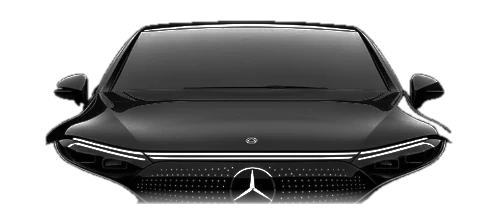
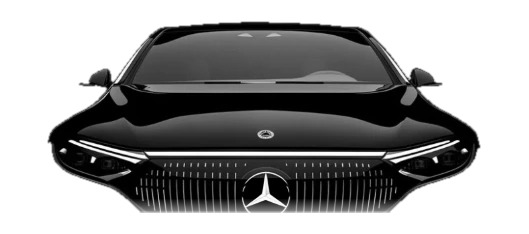
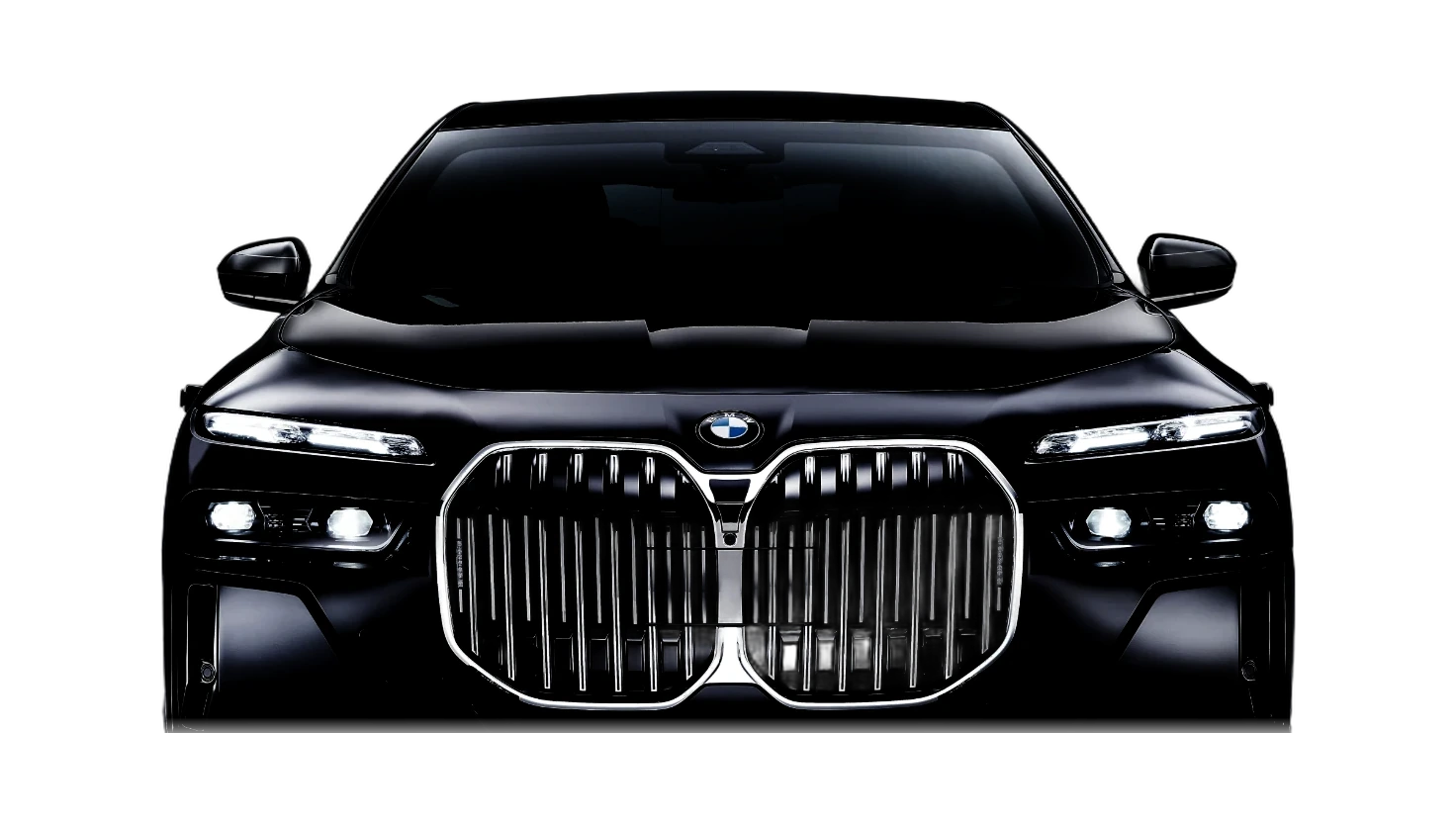
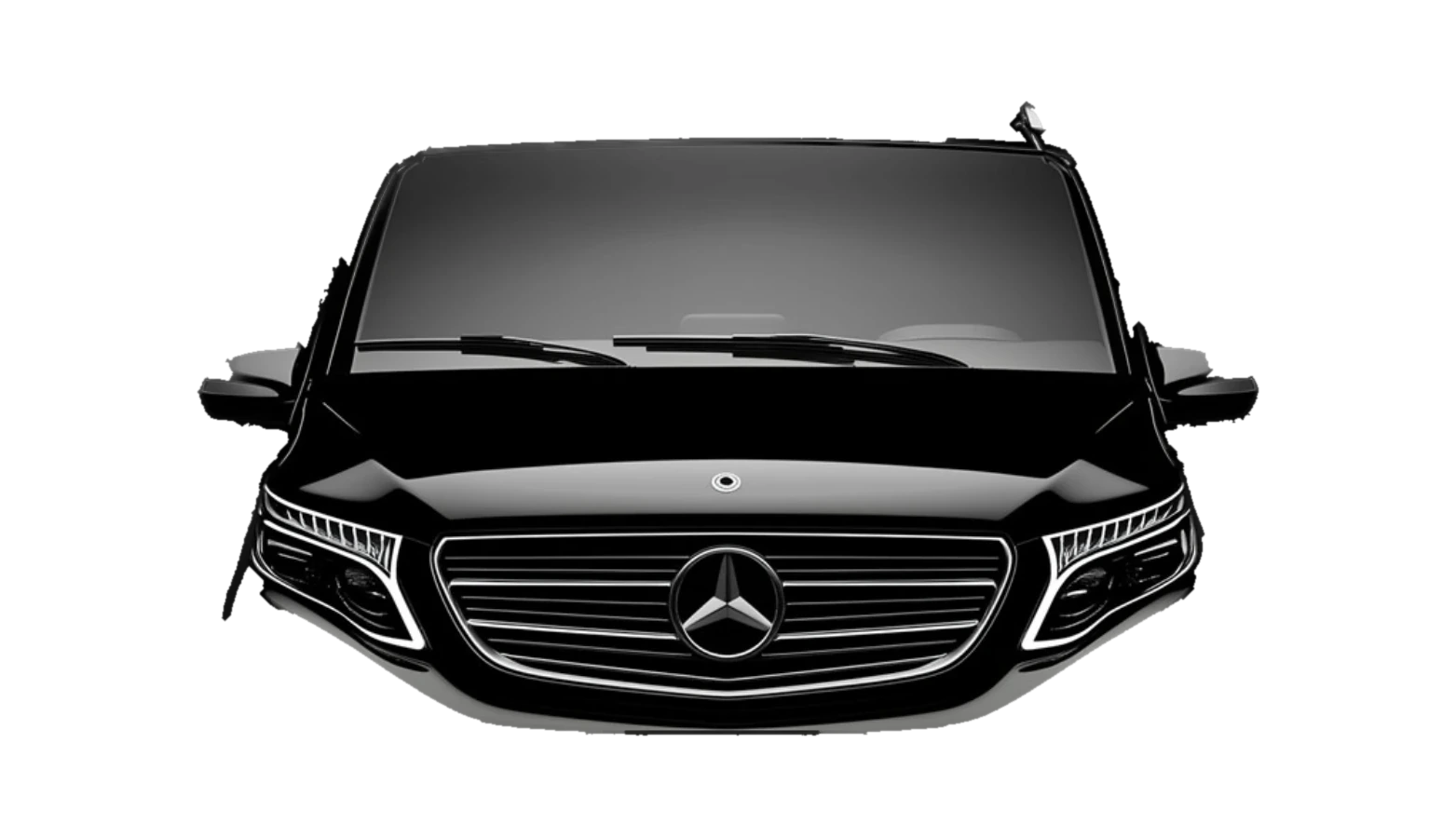
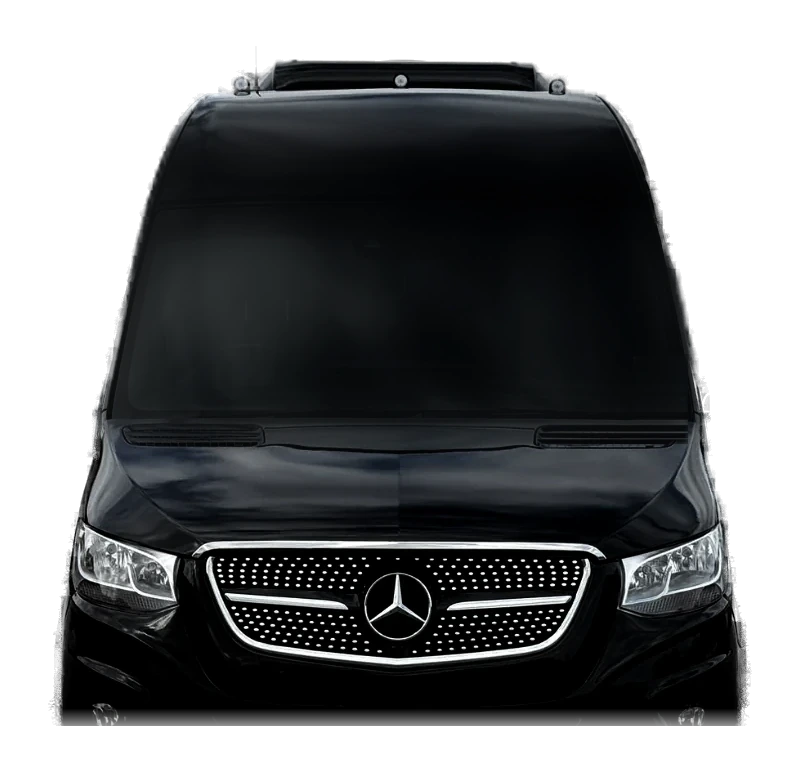
Fixed price, professional chauffeur, luxury fleet — your driver can wait while you explore, then carry you home.
All Destinations