
A complete guide to Cambridge, Cambridgeshire — what to see, where to eat, and door-to-door private chauffeur transfers from London from £260.


Cambridge is one of those rare places where the physical environment and the intellectual life it has sustained are genuinely inseparable. The colleges of the university — many of them founded in the medieval period and little altered in their essential form since — line the banks of the Cam in a sequence of courtyards, chapels, and gardens that constitutes one of the most beautiful architectural ensembles in northern Europe.
The city works as a place of continuous occupation rather than merely a monument: students cycle between lectures, market traders set up on the same cobbled square they have occupied for centuries, and the Backs — the meadows and gardens running behind the great colleges along the river — fill with visitors and residents alike on summer afternoons. Cambridge is alive in a way that many heritage cities, more museum than metropolis, are not.
The University of Cambridge traces its origins to 1209, and many of its oldest colleges retain medieval buildings of the highest quality. King's College Chapel, completed in 1515, is one of the supreme achievements of English Perpendicular Gothic architecture, its fan-vaulted ceiling a technical and aesthetic masterpiece. The Fitzwilliam Museum, founded in 1816, holds collections of international importance spanning antiquities, Old Masters, and applied arts. The city's market, held on Market Hill, has been a fixture of Cambridge life for centuries.

Cambridge has developed a food scene considerably more interesting than its reputation might suggest, with a range of independent restaurants, cafés, and wine bars concentrated around the city centre and the Mill Road neighbourhood. Mill Road in particular has a strongly independent, international character that provides a counterpoint to the historic core. The market on Market Hill offers fresh produce and street food on most days of the week.
The Cam provides the city's most distinctive outdoor experience: punting from the central landing stages below King's Bridge is a quintessential Cambridge pleasure, and the river walk extending south towards Grantchester through meadows and water-meadows is among the loveliest urban walks in England. Grantchester itself — the village where Rupert Brooke lived and wrote — retains a pastoral character that feels remarkably remote from the city's bustle.

Cambridge sustains an extraordinary density of cultural activity relative to its size. The Cambridge Arts Theatre presents a full programme of theatre and music, the Corn Exchange hosts larger concerts, and the university's own concert series and lecture programmes are partly open to the public. The Cambridge Jazz Festival and the Midsummer Fair are among the annual fixtures that give the city a seasonal rhythm beyond the academic calendar.
The colleges charge admission to their interiors and are often closed during exam periods in May and June — it is worth checking which are open before planning a visit. Punting is best enjoyed from the Magdalene Bridge end of the river, heading south towards King's and Clare, and guided tours are recommended for first-time visitors. Cambridge city centre is compact and best explored on foot; a full day is needed to do justice to the colleges and the Fitzwilliam.
Door-to-door, per vehicle, locked at booking — from Central London and every major London airport.
| From | Distance | E-Class | V-Class | S-Class · BMW 7 | Sprinter (16) | |
|---|---|---|---|---|---|---|
| Central London | 60 mi | £260 | £325 | £390 | £520 | |
| Heathrow Airport | 70 mi | £290 | £363 | £435 | £580 | |
| Gatwick Airport | 100 mi | £425 | £531 | £638 | £850 | |
| Stansted Airport | 30 mi | £200 | £250 | £300 | £400 | |
| Luton Airport | 45 mi | £215 | £269 | £323 | £430 | |
| London City Airport | 65 mi | £275 | £344 | £413 | £550 |

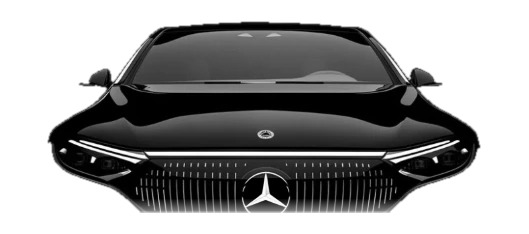
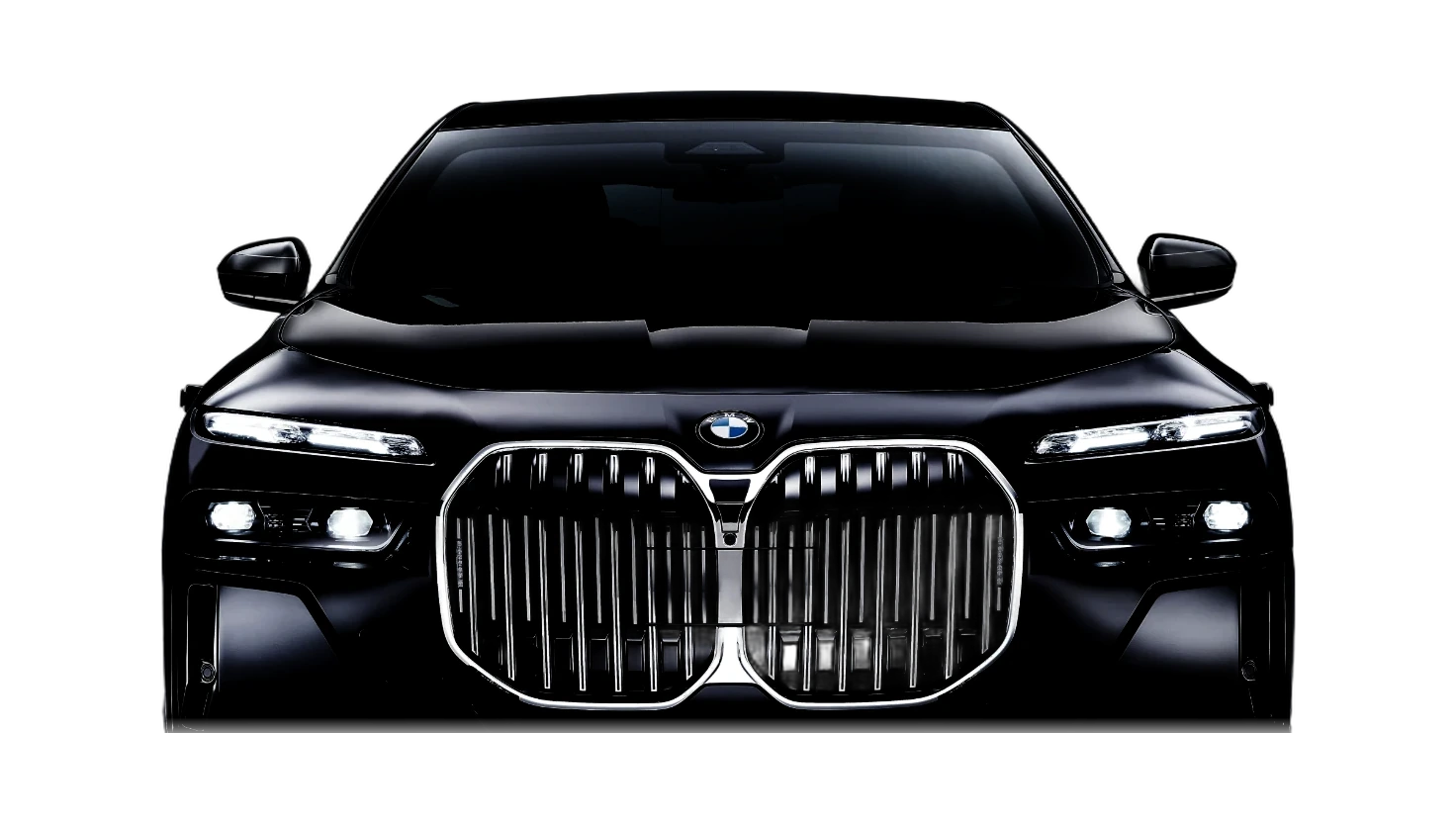
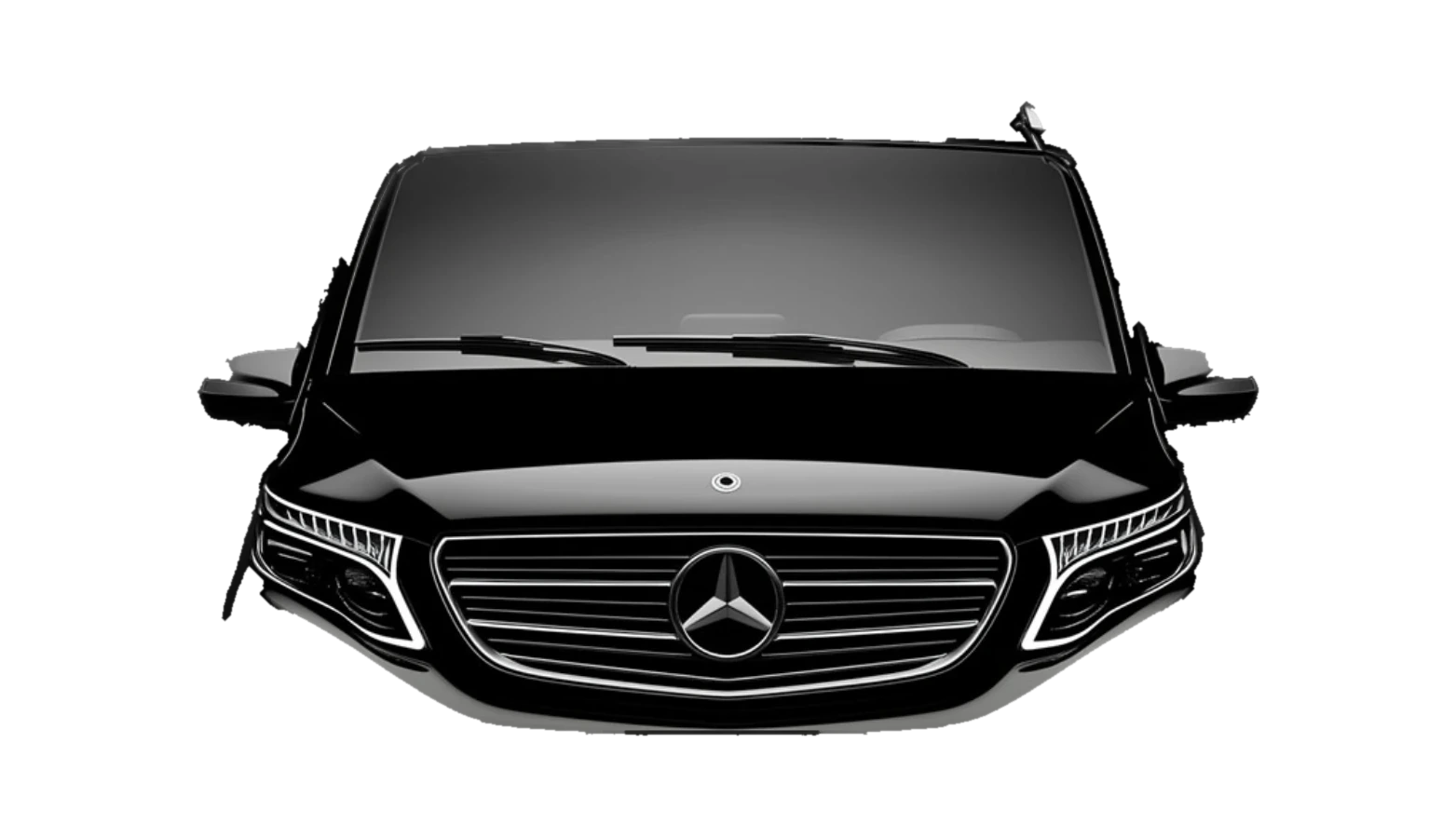

Fixed price, professional chauffeur, luxury fleet — your driver can wait while you explore, then carry you home.
All Destinations