
A complete guide to Dover Cruise Port, Kent — the terminals, the cruise lines, what to see nearby, and seamless door-to-terminal chauffeur transfers from London and every airport.


Dover Cruise Port stands at one of the most dramatic stretches of the English coastline, where the iconic White Cliffs rise pale and resolute above the Strait of Dover and the ancient ramparts of Dover Castle keep their eternal watch over the Channel. Sitting approximately 80 miles south-east of London in the heart of Kent, this storied harbour has served as Britain's gateway to the Continent for millennia — and today it is one of the United Kingdom's most significant cruise turnaround ports, welcoming passengers bound for the Norwegian fjords, the Baltic capitals, the British Isles and the sun-drenched shores of the Western Mediterranean. Whether you are embarking on the voyage of a lifetime or returning home from the open sea, Dover receives you with a setting of rare natural grandeur. For guests travelling with Knightsbridge Chauffeurs, the journey begins the moment a polished vehicle arrives at your door — luggage loaded, route planned, terminal confirmed — so that Dover's celebrated landscape is the first thing you see, not a car park.
The port itself is far more than a functional departure point. Occupying the Western Docks, Dover's two cruise terminals are housed within a precinct that carries genuine historical weight: the site was once home to Dover Marine railway station, the grand Edwardian gateway through which troops, diplomats, monarchs and millions of ordinary travellers passed on their way to and from the Continent. That heritage lends the port an atmosphere that few British cruise terminals can match. Beyond the quayside, the town and its surrounding county of Kent offer everything from world-class heritage attractions to celebrated countryside, ensuring that the hours before embarkation or after disembarkation are richly spent. With a chauffeur service calibrated to the rhythms of cruise travel — drop-off timed to avoid the embarkation rush, return pickup coordinated with your ship's arrival — Dover becomes not a logistical challenge but a pleasure from the very first mile.
The Port of Dover is, by any measure, one of the most consequential ports in the world. Handling the majority of the United Kingdom's cross-Channel roll-on roll-off freight and passenger ferry traffic, it is widely recognised as the world's busiest ferry port, connecting Britain to Calais and Dunkirk in crossings that take little more than ninety minutes. This constant activity means Dover's marine infrastructure is among the most capable and well-maintained in Europe, a fact that benefits cruise passengers considerably: the port authority is expert at managing large vessel movements, immigration and passenger flow at scale.
The cruise operation is focused entirely within the Western Docks, a distinct zone of the port that has been developed to serve turnaround cruise traffic — that is, voyages that both begin and end at Dover rather than simply calling in transit. This makes Dover a true homeport for a meaningful programme of cruises each year, with ships departing for the Norwegian fjords, the Baltic Sea and its ring of historic capitals, the Scottish and Irish coasts, Iceland, and the ports of Northern and Western Europe. The Western Docks sit immediately below the White Cliffs, giving arriving and departing passengers one of the most recognisable maritime vistas in the world: a wall of brilliant chalk rising 100 metres above the harbour, with Dover Castle perched on the headland above.
For passengers travelling by chauffeur, the port's position roughly 80 miles south-east of central London makes it an entirely comfortable journey — typically along the M20 or A2/M2 corridors through Kent — with the countryside transitioning from London's outer boroughs to the orchards and oast houses of the Garden of England before the Channel gleams into view at the foot of the North Downs.

Dover's cruise operation is served by two terminals within the Western Docks precinct, both of which have been purpose-fitted to receive large ocean-going cruise ships and their passengers. The terminals occupy a site of genuine historical significance: this was once the location of Dover Marine railway station, the magnificent Edwardian terminus that opened in 1915 and served as the principal point of departure and arrival for cross-Channel rail-sea services for much of the twentieth century. Heads of state, film stars, soldiers and statesmen all passed through its arched roof. While the station's operational life came to an end, the precinct has been given new purpose as a cruise gateway, and the echoes of that grander era are not difficult to hear.
The two terminals are equipped to handle the full check-in, security and immigration process for large cruise ships, and the Western Docks road network is designed to allow coaches and private vehicles to approach, drop off passengers and luggage, and depart efficiently. For guests arriving by chauffeur, this is particularly relevant: a knowledgeable driver who understands the layout of the Western Docks approach roads can deliver passengers directly to the correct terminal entrance with luggage handled kerbside, removing entirely the disorientation that self-driving passengers sometimes experience navigating an unfamiliar port.
It is always advisable to confirm with your cruise line which terminal your vessel will be using, as assignments can vary by ship and sailing date. Knightsbridge Chauffeurs routinely liaises with clients in the days before embarkation to confirm terminal details, ensuring that your vehicle proceeds without hesitation to precisely the right door.
Dover has established itself as a genuine alternative to Southampton for a carefully curated range of itineraries, and several of the world's most respected cruise lines regularly feature the port in their deployment schedules. The port's geographic position — closer to the Baltic and Scandinavian latitudes than Southampton — makes it a particularly logical homeport for the voyages that have become synonymous with Dover: the Norwegian fjord cruise, the Baltic capitals itinerary taking in Copenhagen, Stockholm, Helsinki and St Petersburg (when accessible), and the round-Britain and Irish coastal voyage. Lines including P&O Cruises, Fred. Olsen Cruise Lines, Saga Cruises and others have used Dover as a departure point, drawn by its proximity to London and the South East and the ease of access it offers for their largely British passenger base.
Itineraries departing Dover tend to favour the cooler-season beauties of Northern Europe: the drama of the Norwegian fjords in summer, the amber-lit cities of the Baltic, the rugged Hebridean coastline, and the islands of Iceland. This focus gives Dover a distinct identity within the British cruise market — it is not a port that chases volume across all segments, but one that serves a particular kind of thoughtful, experience-led traveller who values the landscape as much as the vessel. That passenger profile aligns naturally with the clientele of a luxury chauffeur service for whom the journey to the port is as considered as the voyage itself.
Cruise schedules change from season to season, and specific ship assignments are confirmed by individual cruise lines. Passengers are always advised to verify current deployment details directly with their cruise line or travel agent. What remains constant is Dover's role as a homeport — ships return here at the end of each voyage, which means disembarkation is managed at the same Western Docks facility, making return chauffeur collection straightforward to coordinate.
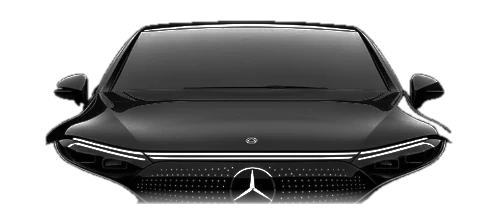
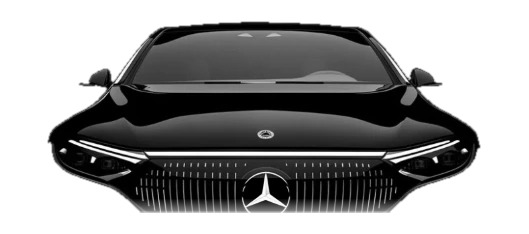
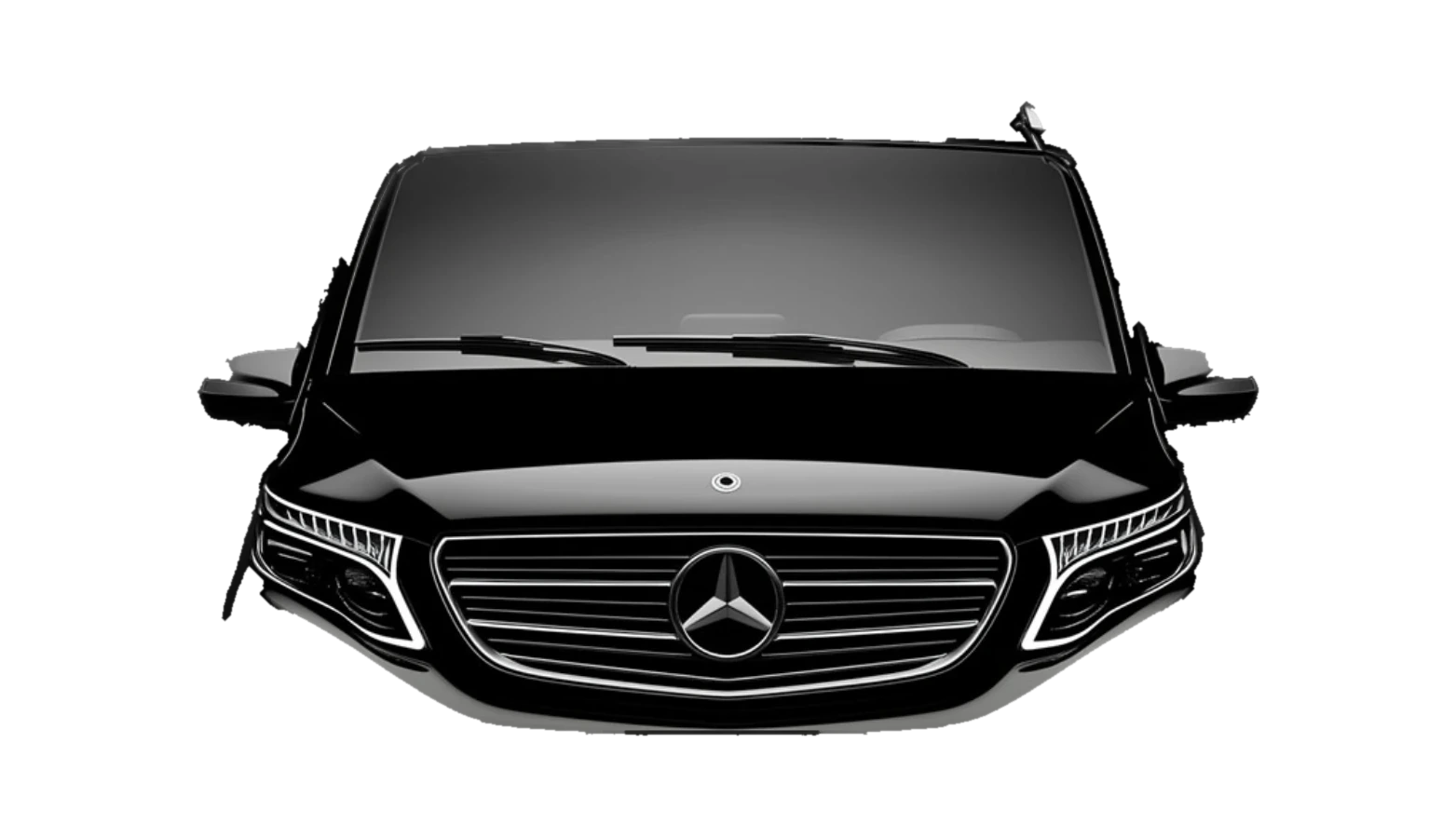
For guests of Knightsbridge Chauffeurs, the embarkation experience begins not at the port gates but at your own front door. Your vehicle — whether a flagship saloon or a spacious executive MPV chosen to accommodate luggage comfortably — arrives at a time calculated to deliver you to the terminal with ease, accounting for the drive through Kent, the approach to the Western Docks, and the flow of other embarkation traffic on your sailing day. There is no multi-storey car park to navigate, no shuttle bus to wait for, and no uncertainty about which terminal to head for: your driver has confirmed all of this in advance and will deliver you precisely where you need to be.
Kerbside at the terminal, your driver will assist with luggage, ensuring that cases are placed directly with port porters or cruise line staff for onward handling to your cabin. This seamless handover — from your home to the terminal door without a moment of logistical friction — is what distinguishes a chauffeur transfer from any other mode of arrival. Guests travelling in groups or families particularly benefit from the flexibility of a private vehicle: there are no fixed departure times, no shared coaches, and no compromise on comfort. Your journey proceeds entirely on your schedule.
On return, disembarkation at Dover follows a structured process managed by the cruise line: passengers are assigned disembarkation times or colour-coded groups, and luggage is collected from the terminal hall before proceeding through immigration. Knightsbridge Chauffeurs monitors your ship's arrival and adjusts collection timing accordingly, so that your vehicle is waiting as you clear the terminal — not a minute before you need it to be a burden, and not a moment late. The return journey through Kent, with the White Cliffs receding in the mirror and the first orchards of the Garden of England appearing ahead, is a satisfying close to any voyage.

Dover and its surrounding county of Kent are extraordinarily rich in things to see and do, and passengers with time either side of their sailing are in a fortunate position. The most immediately dramatic sight is of course the White Cliffs themselves: the chalk headlands that have greeted returning travellers for centuries are best experienced from the clifftop path managed by the National Trust, where the views across the Strait to the French coast on a clear day are unforgettable. The cliffs are a ten-minute drive from the Western Docks, easily visited on the morning of embarkation or the afternoon of return.
Dover Castle, perched on the Eastern Heights above the town, is one of England's greatest medieval fortresses and a site of continuous military significance from the Iron Age to the Second World War. The castle's Secret Wartime Tunnels — a labyrinth cut into the chalk cliffs and used as a command centre during the evacuation of Dunkirk in 1940 — are among the most atmospheric heritage experiences in the country. Managed by English Heritage, the castle is within a short drive of the cruise terminals. Elsewhere in Kent, the cathedral city of Canterbury is approximately twenty minutes from Dover and needs no introduction: the seat of the Archbishop of Canterbury and a UNESCO World Heritage Site, its medieval precincts are a compelling half-day.
For guests seeking a more leisurely pre-embarkation experience, the Kent coastline offers the handsome Regency town of Deal, with its seafront castle and independent high street, or the quieter pleasures of Folkestone's Creative Quarter. Those arriving from London the evening before sailing will find Dover's own town centre has improved considerably in recent years, with the historic Maison Dieu — a medieval pilgrims' hospice now used as a civic hall — worth a moment of attention.
To understand Dover is to understand its position at the narrowest point of the English Channel — the Strait of Dover, just 21 miles across at its tightest — and to appreciate what that geography has meant across two millennia of British history. The Romans established Dubris here as a key port and lighthouse station; the two Roman pharoses (lighthouses) they built still partially stand, one within the walls of Dover Castle itself. The medieval Cinque Ports confederation, of which Dover was the most senior member, made this coastline the foundation of English naval power for centuries.
In the twentieth century, Dover's strategic importance reached its apogee. Dover Marine station — built on the very site now occupied by the cruise terminals — became one of the most emotionally charged places in Britain during the First World War, as troop ships departed and hospital ships returned. In May and June 1940, the Vice-Admiral Bertram Ramsay coordinated Operation Dynamo, the evacuation of more than 330,000 Allied troops from the beaches of Dunkirk, from his command post deep within the chalk tunnels beneath Dover Castle. The port was integral to that operation; the tunnels, now open to visitors through English Heritage, offer a visceral connection to those events.
The maritime heritage of Dover extends even to the passenger ferry tradition that the port continues to this day. The cross-Channel ferry service, which the port now handles at enormous scale — making it the world's busiest ferry port — has its roots in the Victorian era and before, when packet boats carried mail, passengers and news between Britain and the Continent. That unbroken tradition of connecting Britain to the wider world is, in its own way, the same impulse that today sends cruise ships out of the Western Docks towards the fjords and the Baltic.
Arriving at a cruise terminal well-prepared makes an enormous difference to the embarkation experience, and Dover has some particular characteristics worth knowing. The Western Docks are a working port environment shared with ferry operations, which means the approach roads can carry significant heavy goods vehicle traffic at busy times. A chauffeur who knows Dover's road network — including the most efficient approach routes to the cruise terminal entrance rather than the ferry lanes — is a genuine asset. Knightsbridge Chauffeurs' drivers are briefed on port layouts and approach roads as part of standard preparation for cruise transfers.
Cruise lines operating from Dover typically advise passengers to arrive within a specified embarkation window, which may begin as early as mid-morning and close in early to mid-afternoon, with sailings commonly in the late afternoon or early evening. Arriving towards the earlier part of your window tends to result in shorter check-in queues. Your cruise documentation — boarding passes, passport, any pre-boarding health or immigration forms — should be in your hand luggage and readily accessible at the terminal entrance. Luggage to be handled to your cabin goes directly to port or cruise line staff at kerbside.
For the return journey, it is wise to coordinate your chauffeur collection with a degree of flexibility. Disembarkation at Dover is managed in waves, and immigration processing for a large vessel can take time. Knightsbridge Chauffeurs' standard practice is to track vessel arrival and stand ready to collect from the terminal as soon as you message to confirm you are through — so there is no risk of your driver arriving before you are ready or, equally, no anxiety on your part about a vehicle waiting. The transition from ship to car should feel as seamless as the outward journey.
| Attraction | Why visit | Insider tip |
|---|---|---|
| White Cliffs of Dover | The most iconic natural landmark in Britain, these chalk headlands rise 100 metres above the Strait of Dover and offer sweeping views across to the French coast on clear days. Managed by the National Trust, the clifftop path is one of the most celebrated coastal walks in England. | The National Trust car park at Langdon Cliffs is approximately ten minutes from the Western Docks. The clifftop walk east towards South Foreland Lighthouse takes roughly 45 minutes at a gentle pace — ideal for the morning before an afternoon embarkation. |
| Dover Castle | One of England's greatest medieval fortresses, perched on the Eastern Heights above the town with commanding views over the port and Channel. The castle's Secret Wartime Tunnels — used as the command centre for Operation Dynamo in 1940 — are among the most compelling heritage experiences in the country. | Managed by English Heritage; pre-booking tickets online is strongly advised, particularly in summer. Allow at least two to three hours to do justice to the tunnels and the medieval keep. |
| Canterbury Cathedral | The seat of the Archbishop of Canterbury and a UNESCO World Heritage Site, Canterbury's medieval cathedral is one of the great buildings of Northern Europe. The city's ancient precincts, Roman walls and independent shops make it a deeply satisfying half-day. | Canterbury is approximately twenty minutes from Dover by car. A chauffeur drop can be arranged for the morning of embarkation, with onward transfer to the port in the early afternoon — an elegant way to spend the day before sailing. |
| Deal Castle & Seafront | Built by Henry VIII as part of his coastal fortification programme, Deal Castle is one of the most perfectly preserved Tudor castles in England. The town's seafront promenade and independent high street have a quiet, unhurried character that makes it an excellent pre-sailing base. | Deal is approximately eight miles north of Dover along the coast road. The seafront is ideal for a brisk walk; the town centre has good independent cafes and restaurants for a relaxed pre-embarkation lunch. |
| Dover Museum & Bronze Age Boat | Dover Museum houses the oldest known seafaring boat in the world — a Bronze Age vessel discovered in the town in 1992 and dated to around 1550 BC — making it an unexpectedly world-class maritime heritage experience within the town itself. | Located in Dover's Market Square, the museum is a short walk or five-minute drive from the Western Docks. An excellent option for a focused hour's visit on embarkation morning. |
| Folkestone Creative Quarter | A regenerated arts and independent retail district in the neighbouring coastal town of Folkestone, approximately eight miles west of Dover. The Creative Quarter occupies a series of Victorian streets that have been transformed into one of the South East's most interesting small cultural districts. | Best visited the day before embarkation or on the afternoon of disembarkation if your schedule permits. Folkestone Harbour, with its renovated Harbour Arm, is a pleasant extension of the visit. |
Door-to-terminal, per vehicle, locked at booking — from Central London and every major London airport.
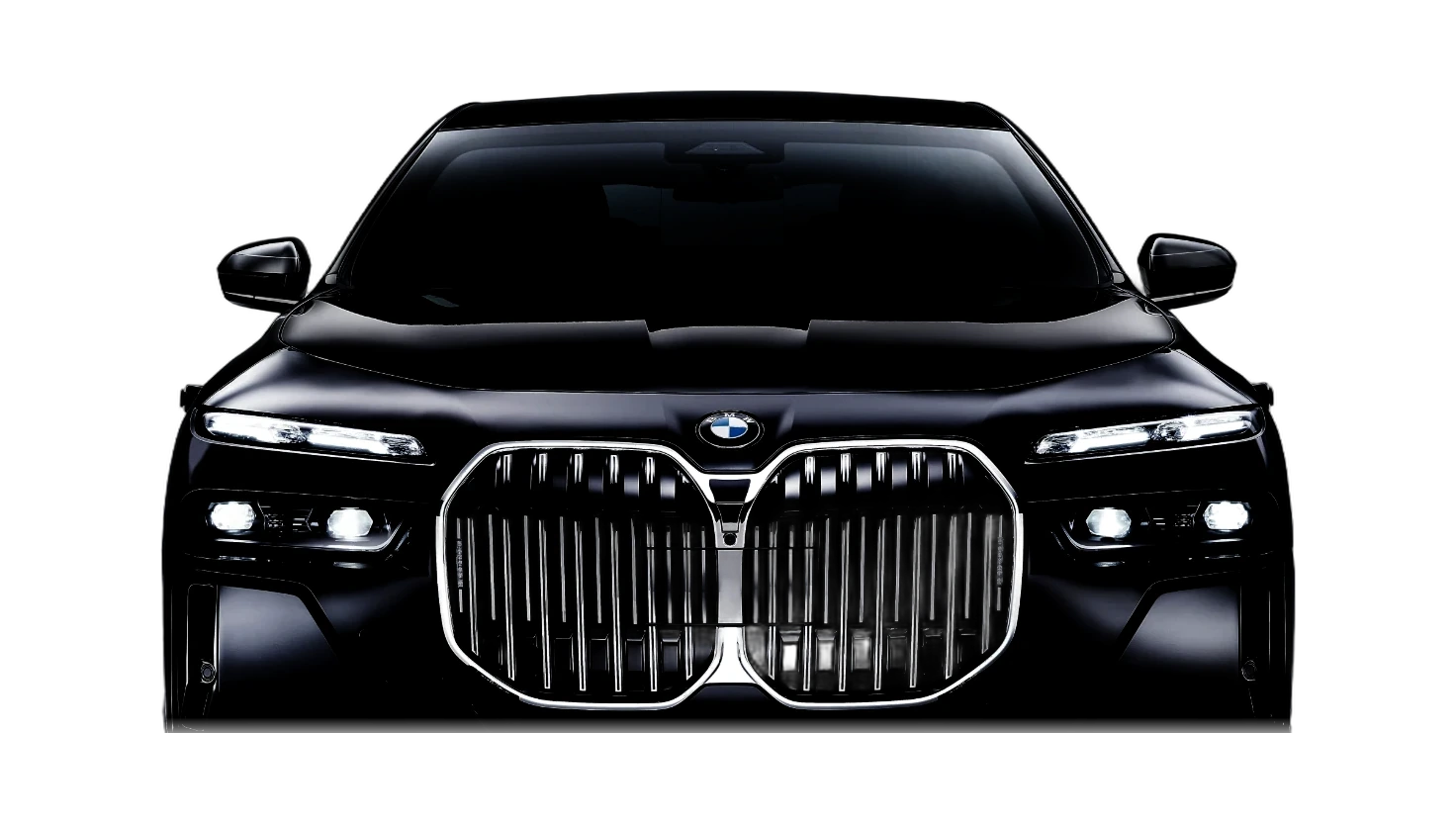
| From | Distance | E-Class | V-Class | S-Class · BMW 7 | Sprinter (16) | |
|---|---|---|---|---|---|---|
| Central London | 85 mi | £345 | £431 | £518 | £690 | |
| Heathrow Airport | 100 mi | £425 | £531 | £638 | £850 | |
| Gatwick Airport | 80 mi | £320 | £400 | £480 | £640 | |
| Stansted Airport | 85 mi | £345 | £431 | £518 | £690 | |
| Luton Airport | 110 mi | £484 | £605 | £726 | £968 | |
| London City Airport | 75 mi | £305 | £381 | £458 | £610 |
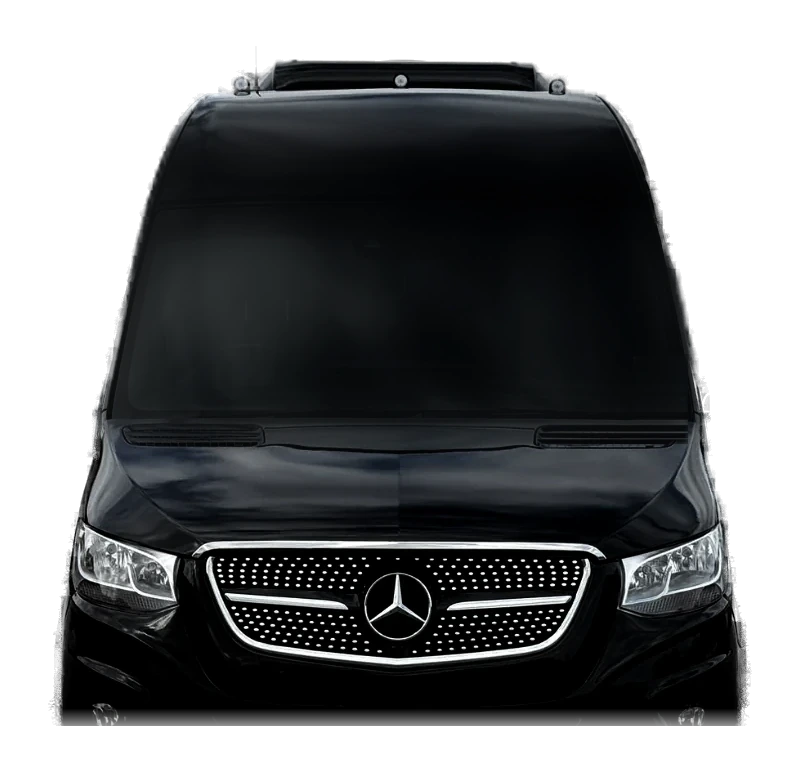
Door-to-terminal, luggage handled, no parking stress — and on your return, your chauffeur is waiting as you step off the gangway.
All Destinations