
A complete guide to Hull, East Yorkshire — what to see, where to eat, and door-to-door private chauffeur transfers from London from £860.


Kingston upon Hull stands alone in a way that few English cities can claim — geographically peripheral, historically proud, and possessed of a maritime identity that centuries of trade, fishing and the sea have made irreducible. Perched where the River Hull meets the Humber estuary, it has always looked outward across the water more than inward towards the rest of England.
The city's selection as UK City of Culture in 2017 drew national attention to what locals had always known: that Hull's combination of the Old Town, the deep-sea fishing heritage, and a civic arts scene of genuine ambition makes it a destination of real substance. The Humber Bridge, visible from the city, remains one of the most elegant engineering achievements in Britain.
Hull's prosperity was built on trade and fish. The Old Town, largely intact within its medieval street pattern, retains cobbled lanes, merchant houses and the beautiful Holy Trinity Church — one of the largest parish churches in England by floor area. The deep-sea fishing industry, which dominated the city's working life from the Victorian period until the Cod Wars of the 1970s, is commemorated extensively at the Arctic Corsair and the Streetlife Museum. The city was also the birthplace of William Wilberforce, the abolitionist, whose former home is now a museum.

Hull's food scene has a strong relationship with its maritime past — seafood is a natural strength, and the traditional fish-and-chip tradition here is taken seriously. The Old Town streets, particularly around the Land of Green Ginger and the Fruit Market district, have seen a notable growth in independent restaurants, craft bars and food businesses. The Fruit Market area has become a genuine creative and culinary quarter.
The Humber estuary offers a vast, sky-dominated landscape that is quite unlike anything in inland England. The East Yorkshire Wolds begin a short distance north of the city, offering chalk downland walking of genuine beauty. The Holderness coast to the east — one of the fastest-eroding coastlines in Europe — provides a stark, compelling seascape.

The City of Culture year left lasting infrastructure: the Ferens Art Gallery was refurbished, the Fruit Market district was consolidated, and the city's confidence in its own cultural worth was permanently raised. The Hull Truck Theatre is a producing house of national reputation. The city has a strong literary connection, most notably through Philip Larkin, who served as the university librarian for many years.
Hull is further from London than many clients expect, and a chauffeured journey allows proper rest before arrival in a city that rewards energetic exploration. The Old Town is best explored on foot, and the Fruit Market, The Deep and the Ferens can comfortably fill a full day. An overnight stay is recommended to do the city proper justice.
Door-to-door, per vehicle, locked at booking — from Central London and every major London airport.
| From | Distance | E-Class | V-Class | S-Class · BMW 7 | Sprinter (16) | |
|---|---|---|---|---|---|---|
| Central London | 200 mi | £860 | £1075 | £1290 | £1720 | |
| Heathrow Airport | 195 mi | £841 | £1051 | £1262 | £1682 | |
| Gatwick Airport | 225 mi | £958 | £1198 | £1437 | £1916 | |
| Stansted Airport | 195 mi | £841 | £1051 | £1262 | £1682 | |
| Luton Airport | 175 mi | £763 | £954 | £1145 | £1526 | |
| London City Airport | 210 mi | £899 | £1124 | £1349 | £1798 |

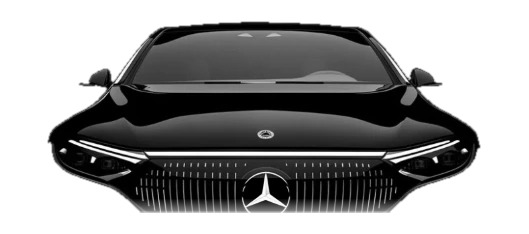
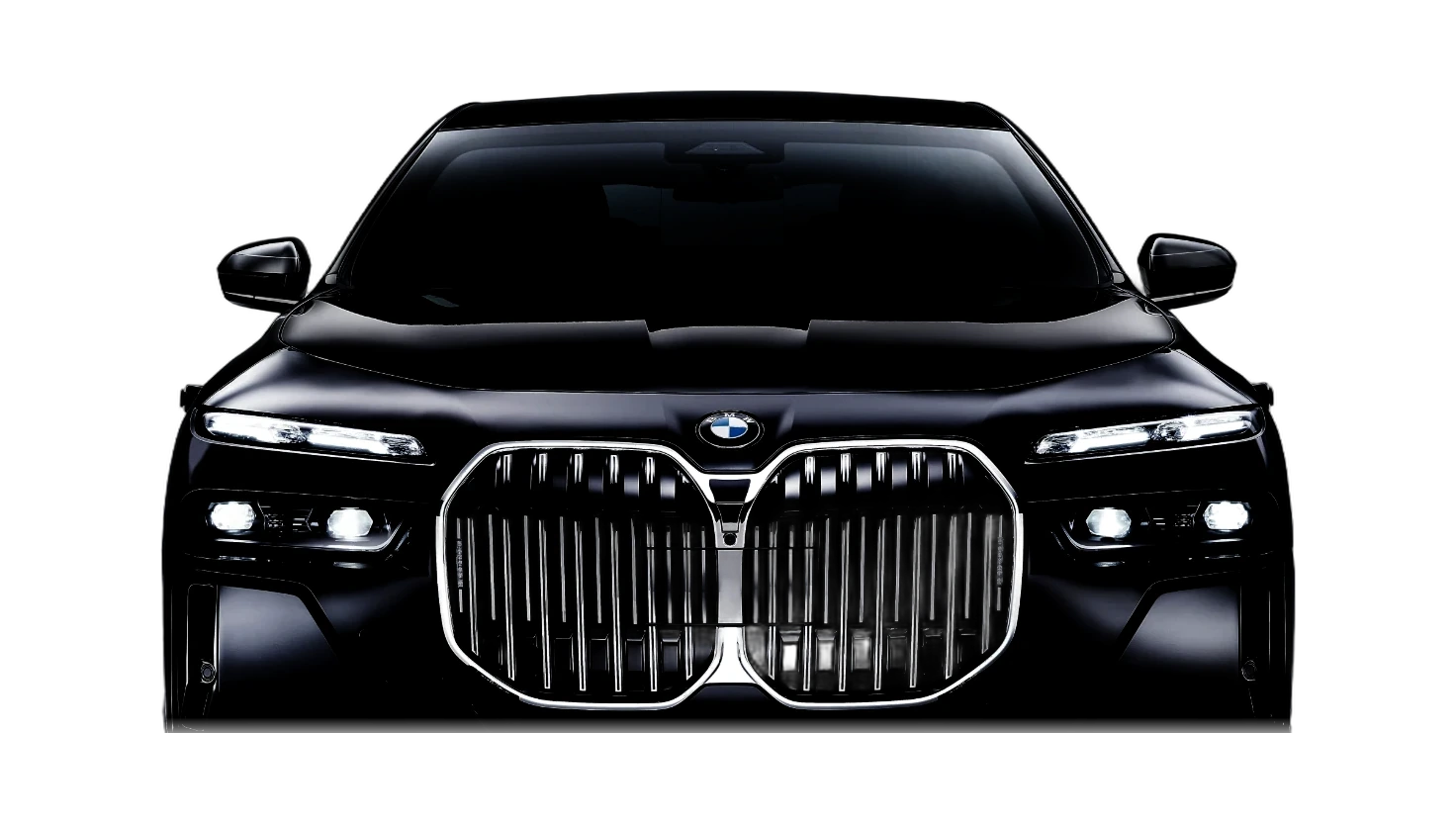
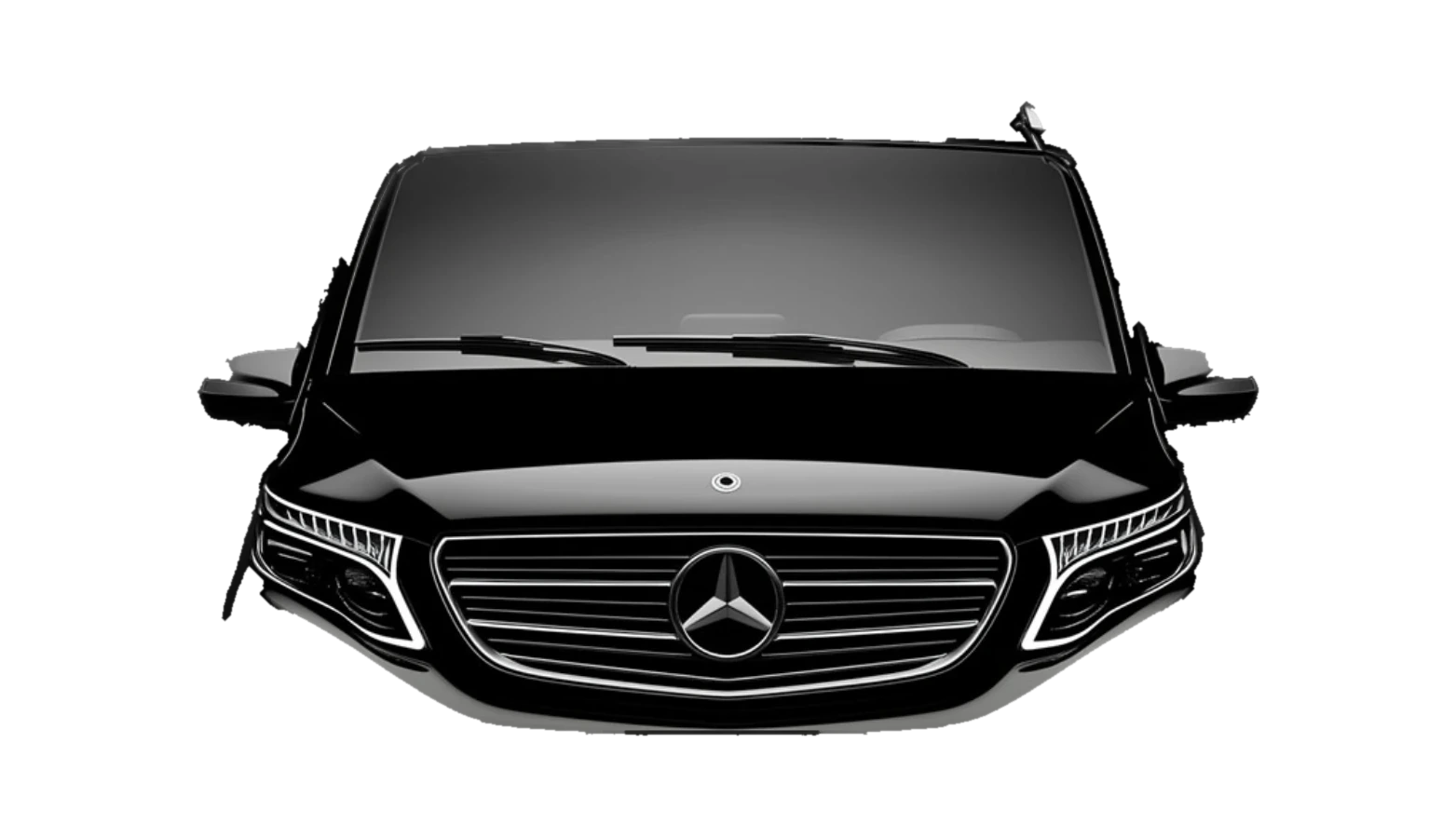

Fixed price, professional chauffeur, luxury fleet — your driver can wait while you explore, then carry you home.
All Destinations