
A complete guide to Swansea, Wales — what to see, where to eat, and door-to-door private chauffeur transfers from London from £821.


Swansea occupies one of the great coastal settings in the British Isles, curving around the western arc of Swansea Bay with the Gower Peninsula — Britain's first Area of Outstanding Natural Beauty — reaching westward from its suburbs into a landscape of dunes, limestone headlands and Atlantic-facing beaches. The city is Wales's second, and it holds that position with a warmth and directness entirely characteristic of south-west Wales.
Heavily bombed in 1941, Swansea rebuilt itself around its waterfront, and the regenerated Marina and SA1 districts have given it a contemporary maritime face that coexists with the Dylan Thomas Quarter — a network of streets and cultural institutions preserving the memory of the city's most celebrated son, who called it 'an ugly, lovely town'.
Swansea received its borough charter in the twelfth century and grew around its castle, whose medieval ruins still stand near the contemporary market. The Lower Swansea Valley became, in the eighteenth and nineteenth centuries, the most intensively industrialised landscape in the world for copper smelting, earning the city the soubriquet 'Copperopolis'. The National Waterfront Museum sits within this industrial landscape and provides one of the most authoritative accounts of Welsh industrial history in existence. The Dylan Thomas Centre commemorates Swansea's greatest literary figure.

Swansea Market's cockle stalls and laverbread counters are a genuine culinary institution, supplying ingredients central to the Welsh breakfast tradition and harvested from the Gower estuaries within a few miles of the city. The Marina and Mumbles waterfront have developed a confident restaurant and café culture around locally caught seafood, and the city's public house tradition remains vigorous and hospitable.
The Gower Peninsula provides outdoor recreation of extraordinary variety within twenty minutes of the city centre: surfing at Llangennith, cliff walking above Rhossili, kayaking in the Three Cliffs Bay estuary. The Swansea Bay cycle path runs the full length of the seafront promenade. Brecon Beacons National Park — now designated Bannau Brycheiniog — begins roughly thirty miles to the north, providing mountain walking and reservoir landscapes of the highest order.

Swansea's cultural life is anchored by its two universities, its Grand Theatre and a music scene that has historically punched well above the city's weight. The Dylan Thomas legacy pervades the cultural calendar, with an annual festival in October marking the poet's birth and death months. Swansea City AFC provides the city's other great cultural focal point, and the Liberty Stadium is a fixture of the civic landscape.
Gower is best explored by car; the peninsula's lanes are narrow and the most spectacular viewpoints — Worm's Head, Rhossili Down, Penmaen — are distant from any useful public transport. Mumbles, on the eastern edge of Gower, is walkable or cyclable along the bay promenade and makes an excellent first introduction to the peninsula's character.
Door-to-door, per vehicle, locked at booking — from Central London and every major London airport.
| From | Distance | E-Class | V-Class | S-Class · BMW 7 | Sprinter (16) | |
|---|---|---|---|---|---|---|
| Central London | 190 mi | £821 | £1026 | £1232 | £1642 | |
| Heathrow Airport | 190 mi | £821 | £1026 | £1232 | £1642 | |
| Gatwick Airport | 215 mi | £919 | £1149 | £1379 | £1838 | |
| Stansted Airport | 225 mi | £958 | £1198 | £1437 | £1916 | |
| Luton Airport | 200 mi | £860 | £1075 | £1290 | £1720 | |
| London City Airport | 205 mi | £880 | £1100 | £1320 | £1760 |

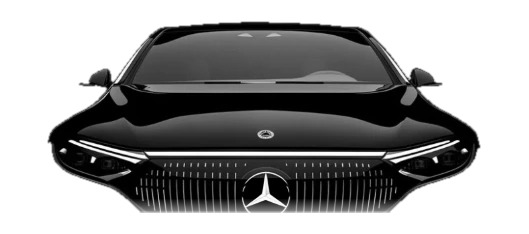

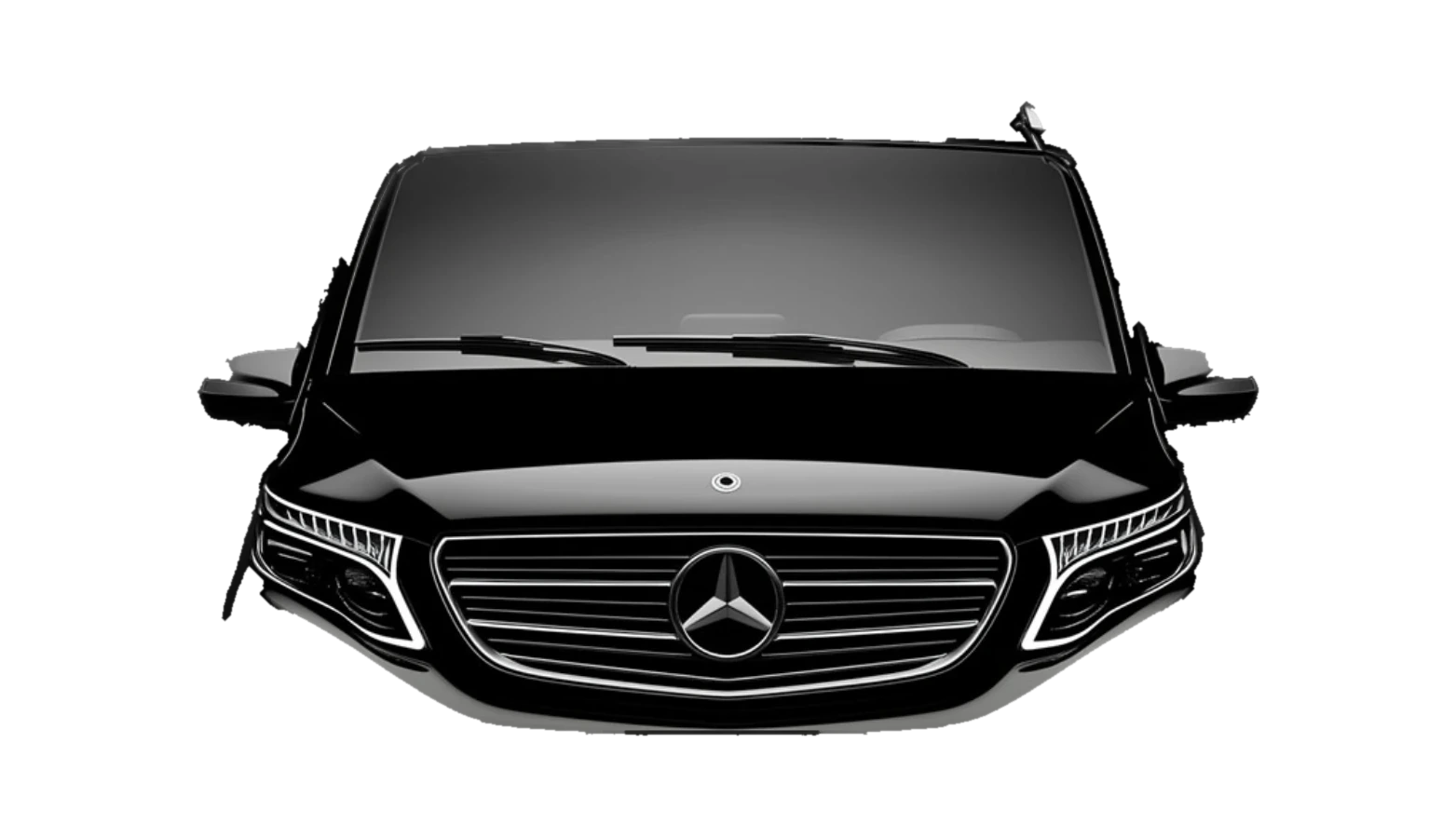

Fixed price, professional chauffeur, luxury fleet — your driver can wait while you explore, then carry you home.
All Destinations